SSDA 2026 Highlights Merit Projects Emphasizing Reused Steel and Structural Retention
Structures · Construction methods · Low-carbon materials
The Structural Steel Design Awards 2026 announced its merit projects and finalists, showcasing how structural steel reuse, electric arc furnace sourcing, and existing structure retention enable carbon reductions across major UK projects.
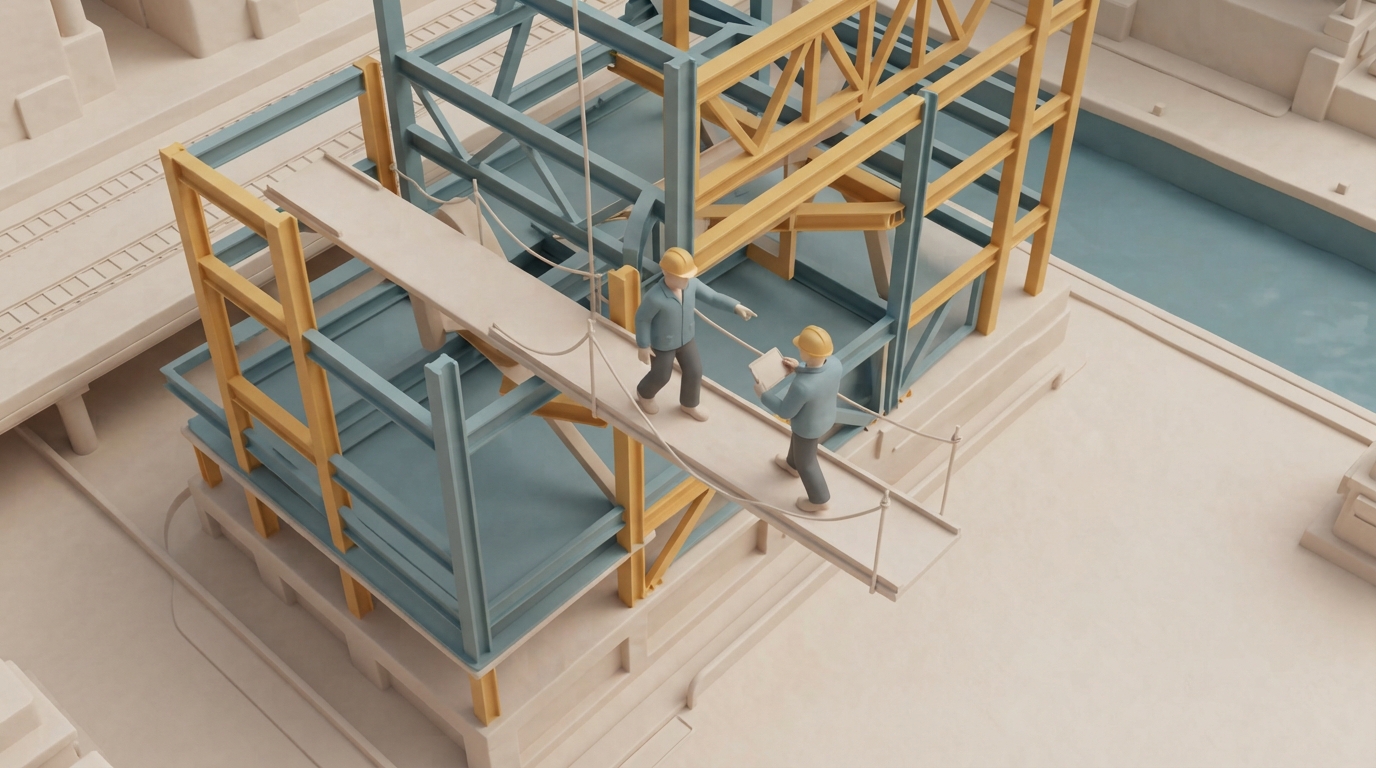
The Structural Steel Design Awards (SSDA) 2026 recognised five merit projects and five national finalists, demonstrating low-carbon engineering strategies across the UK through structural adaptation and steel reuse. Projects like London's 'Whale on the Wharf' utilised a four-tonne frame fabricated almost entirely from reclaimed steel sections, installed in marine conditions above railway tunnels. Commercial refurbishments, including the PUMA Flagship Store in London and Sandyford House in Newcastle, retained existing frames and foundations while adding braced steel structures to minimise waste and disruption; Sandyford House reported saving over 1,375 tonnes of carbon dioxide equivalent. In infrastructure, the 53-metre Tan House Footbridge in Berkshire incorporated repurposed steel tubes to curb upfront embodied carbon.
Key takeaways
- Five structural steel projects received merits at SSDA 2026, alongside five national finalists across the UK.
- The Whale on the Wharf public sculpture in London incorporated a 4t frame constructed almost entirely from reclaimed steel sections over railway tunnels.
- Retaining and repurposing existing structural frames at projects like Sandyford House saved over 1,375tCO2e compared to complete new construction.
- Projects such as the Tan House Footbridge and Stonecutter commercial building utilised repurposed tubular steel, retained foundations, and electric arc furnace sourcing to cut embodied carbon.
Source:Construction Management Read the original ↗
Prepared, checked and automatically published by AI; not individually reviewed by a human.