ABRI Presents Findings on Fire Safety and Risk Assessment for Net-Zero Building Energy Storage
MEP · Project management · AEC industry
Taiwan's Architecture and Building Research Institute presented findings from its project on mitigation technology, fire safety, and fire risk assessment for building energy storage systems across seminars in Taipei and Tainan, covering regulations, active protection, and behind-the-meter safety guidelines.
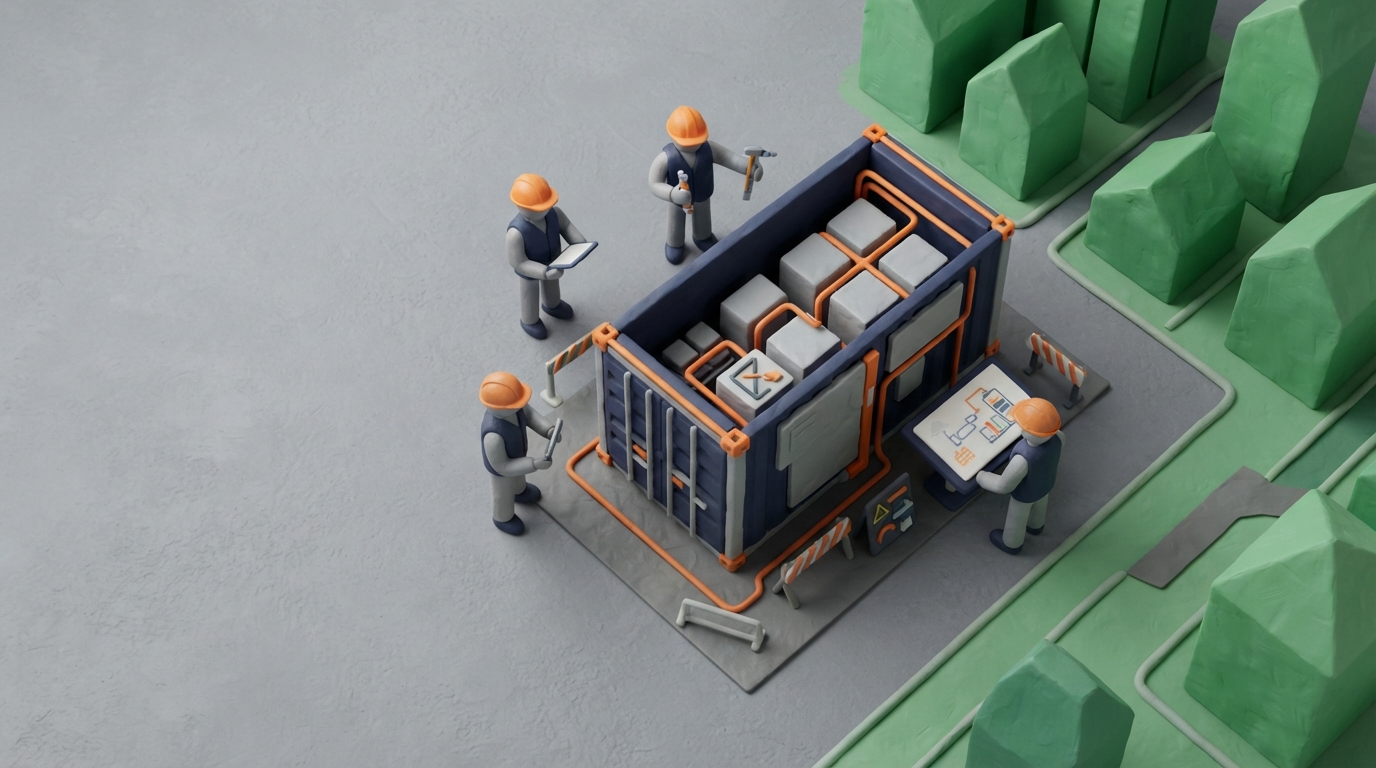
To support Taiwan's 2050 net-zero emissions path and energy transition, the deployment of energy storage systems in buildings is expanding, introducing new fire safety challenges due to high energy density and electrochemical characteristics. The Architecture and Building Research Institute (ABRI) commissioned a study on disaster mitigation, fire safety, and fire risk assessment for net-zero building energy storage systems, presenting its findings at seminars held on November 5 at Taipei's Dapinglin Joint Development Building and December 3 at National Cheng Kung University in Tainan. Discussions covered fire safety regulations, active protection and disaster reduction technologies in buildings, and the development and application of risk assessment tools. Experts from the Industrial Technology Research Institute, National Cheng Kung University, Chung Hua University, and Da-Yeh University analyzed behind-the-meter fire guidelines, quantitative risk analysis frameworks, and safety inspection standards to support future technical codes and regulatory development.
Key takeaways
- ABRI commissioned research addressing new fire hazards linked to high energy density and electrochemical properties in building energy storage.
- Seminars held in Taipei and Tainan showcased active mitigation technologies and newly developed fire risk assessment tools.
- Experts from ITRI and universities discussed behind-the-meter fire safety guidelines, quantitative risk analysis, and testing standards.
Source:內政部建築研究所|建築研究簡訊 Read the original ↗
Prepared, checked and automatically published by AI; not individually reviewed by a human. Translation checked by AI.