Over-Reliance on AI Coding May Lead to Skill Degradation, Cautions Engineer Through Labor Alienation Lens
AI coding · AI assistants
Every engineer Loren Stewart highlights that relying heavily on AI for programming accelerates delivery but risks causing personal skills to rust. He outlines four key losses—depth of understanding, hands-on learning, human trust, and practice—and suggests dividing tasks into fully automated routines, supervised AI workflows, and entirely manual learning to preserve expertise.
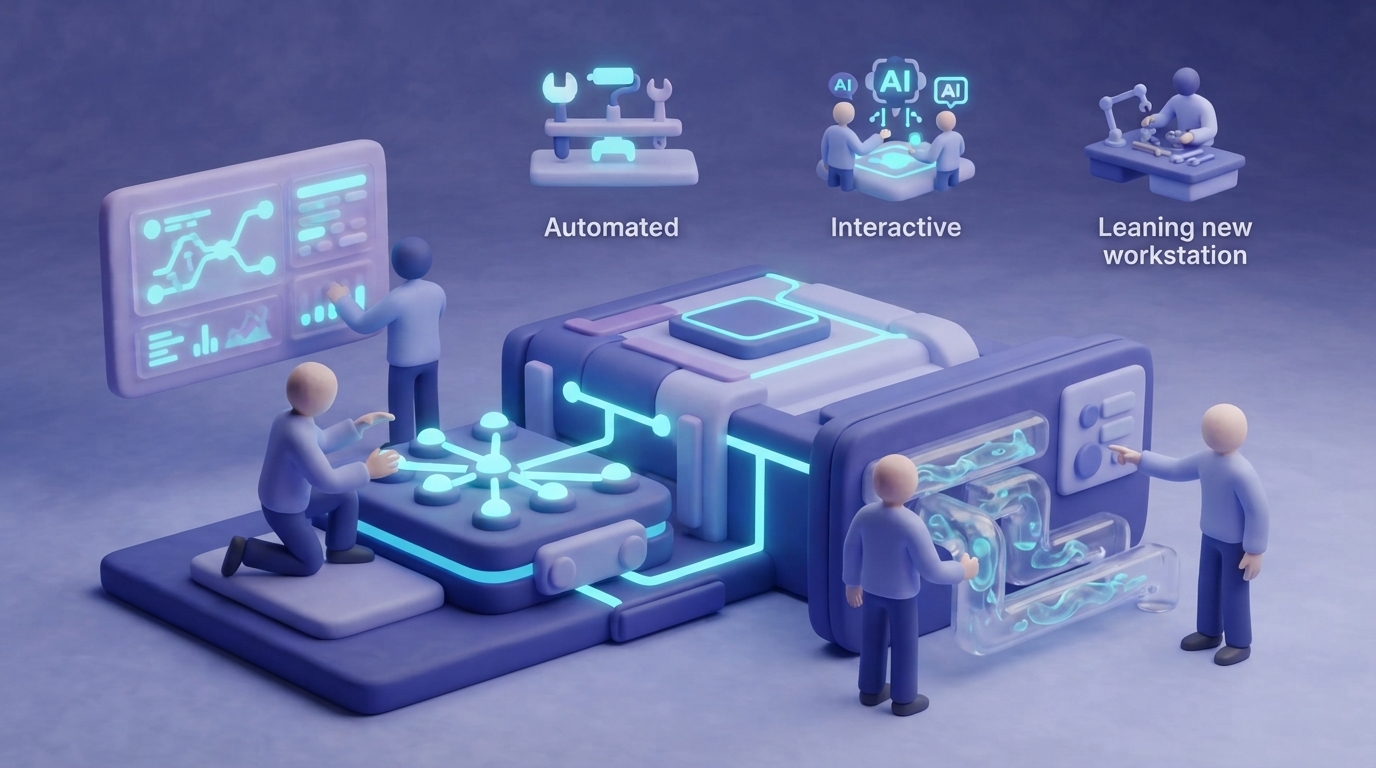
According to a Business Next report citing Every engineer Loren Stewart, delegating most programming workflows to AI rapidly accelerates delivery but can leave developers feeling rusty with manual coding. Drawing from the Marxist theory of labor alienation, Stewart identifies four main risks of overuse: losing deep understanding of final outputs, missing learning opportunities that come from trial and error, missing collaborative exchanges that build team trust, and losing critical hands-on practice. To avoid skill atrophy, he recommends categorizing work into three tiers: routine tasks repeated thousands of times can be fully automated; tasks requiring comprehension should involve AI explaining reasoning prior to human approval; and new competencies should be practiced manually. He also advises workers not to assign endless tasks just because AI can work continuously, emphasizing the need to verify outcomes and reserve time for learning.
Key takeaways
- Every engineer Loren Stewart observed that heavy reliance on AI coding led to personal skill degradation, analyzing the risks through the framework of labor alienation.
- The four key risks include losing understanding of output reasoning, missing trial-and-error system learning, reducing trust-building human discussions, and losing practical skill maintenance.
- Stewart proposes a three-tier workflow: fully automate repetitive routines, require AI to explain key decisions before approval for items to understand, and manually execute new topics to master.
- Before initiating additional AI tasks, workers should ask whether the output is necessary, whether time exists for verification, and if manual execution holds learning value.
Source:數位時代 Read the original ↗
Prepared, checked and automatically published by AI; not individually reviewed by a human. Translation checked by AI.