Revit 2027.3 and 2027.4 Add DynamoMCP Assistant Automation and Connected Forma Site Workflows
AI assistants · BIM collaboration · Architecture
Autodesk released Revit 2027.3 and 2027.4, featuring prompt-driven Dynamo graph creation via DynamoMCP in Autodesk Assistant, public MCP servers for external AI clients, selective Forma contextual data conversion, and expanded Forma Carbon Insights.
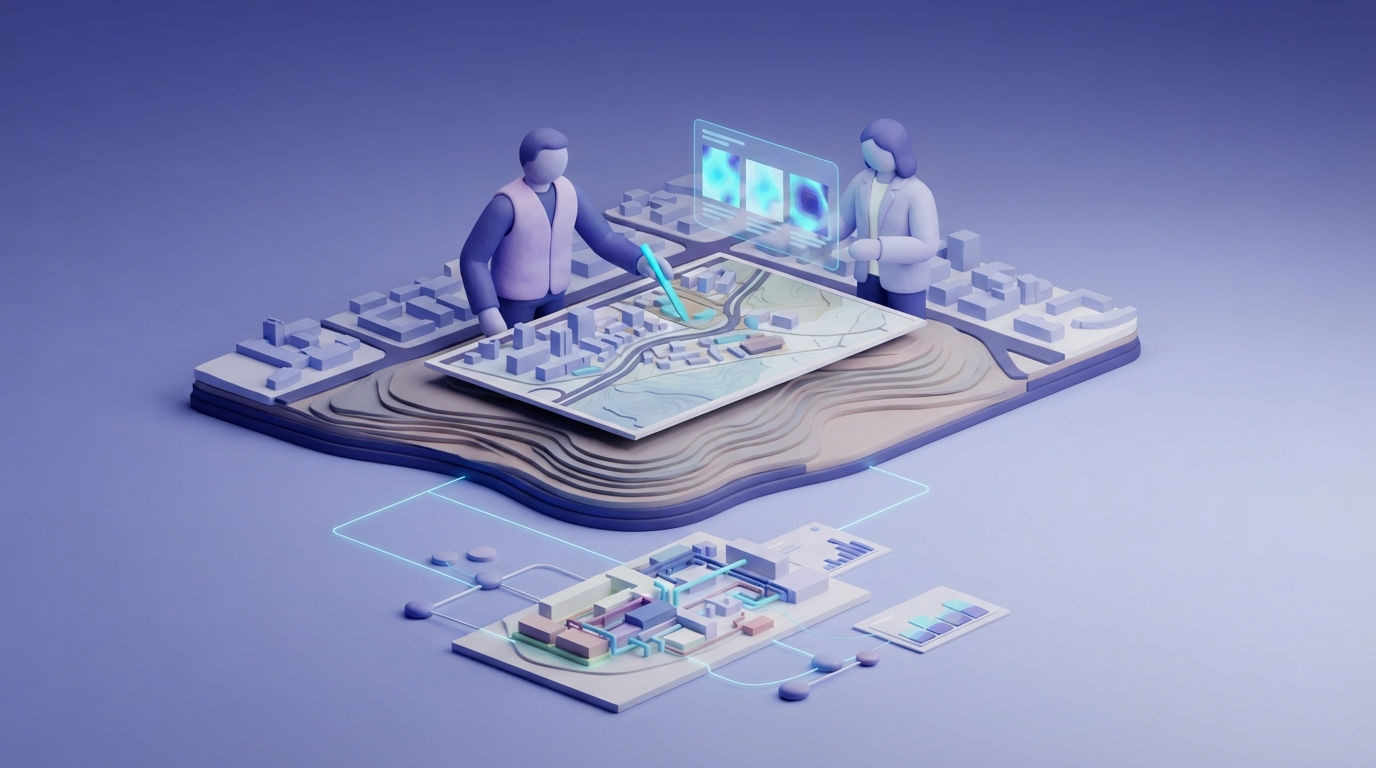
Autodesk announced the release of Revit 2027.3 and 2027.4 with functional updates across AI automation, site integration, and performance analysis. Autodesk Assistant integrates with DynamoMCP (Dynamo 4.2.1 in .3 and 4.2.2 in .4) to let users generate, inspect, and debug Dynamo visual scripting graphs through natural language prompts. Technical Preview MCP servers allow external AI tools such as Claude Desktop or Cursor to query and edit Revit models directly.\n\nFor site and preliminary planning, Revit's Forma Connected Client capabilities now support converting selective contextual coordination geometry (such as terrain or buildings) instead of full datasets, loading road data from the Forma Data Marketplace, and visualizing daylight potential alongside microclimate heatmaps. In addition, cloud-based Forma Carbon Insights expands embodied carbon tracking to broader architectural and MEP categories, and adds operational factors for hot water and HVAC.
Key takeaways
- Autodesk Assistant incorporates DynamoMCP to build, wire, and modify Dynamo graphs from natural language prompts, while public MCP servers enable external AI clients to interact with Revit models.
- Forma Connected Client updates allow selective conversion of site coordination elements into native Revit geometry and bring daylight potential heatmaps directly to Accelerated Views.
- Forma Carbon Insights adds embodied carbon support for more architectural and MEP categories, alongside updated HVAC and hot water operational factors.
- Documentation and core enhancements include an Isolate Annotations tool in Revit 2027.3, steel connection stiffeners, and Data Exchange integration in Model Coordination clash detection.
Source:Autodesk AEC Read the original ↗
Prepared, checked and automatically published by AI; not individually reviewed by a human.