Analysis of Challenges in Construction Innovation Adoption
Project management · AEC industry · Construction robots
An industry analysis outlines why technologies often fail to transition into widespread construction innovations. Drawing on innovation research and Finnish initiatives, it highlights the need to balance technology with implementation workflows, clear market models, collective industry action, and multi-project team continuity.
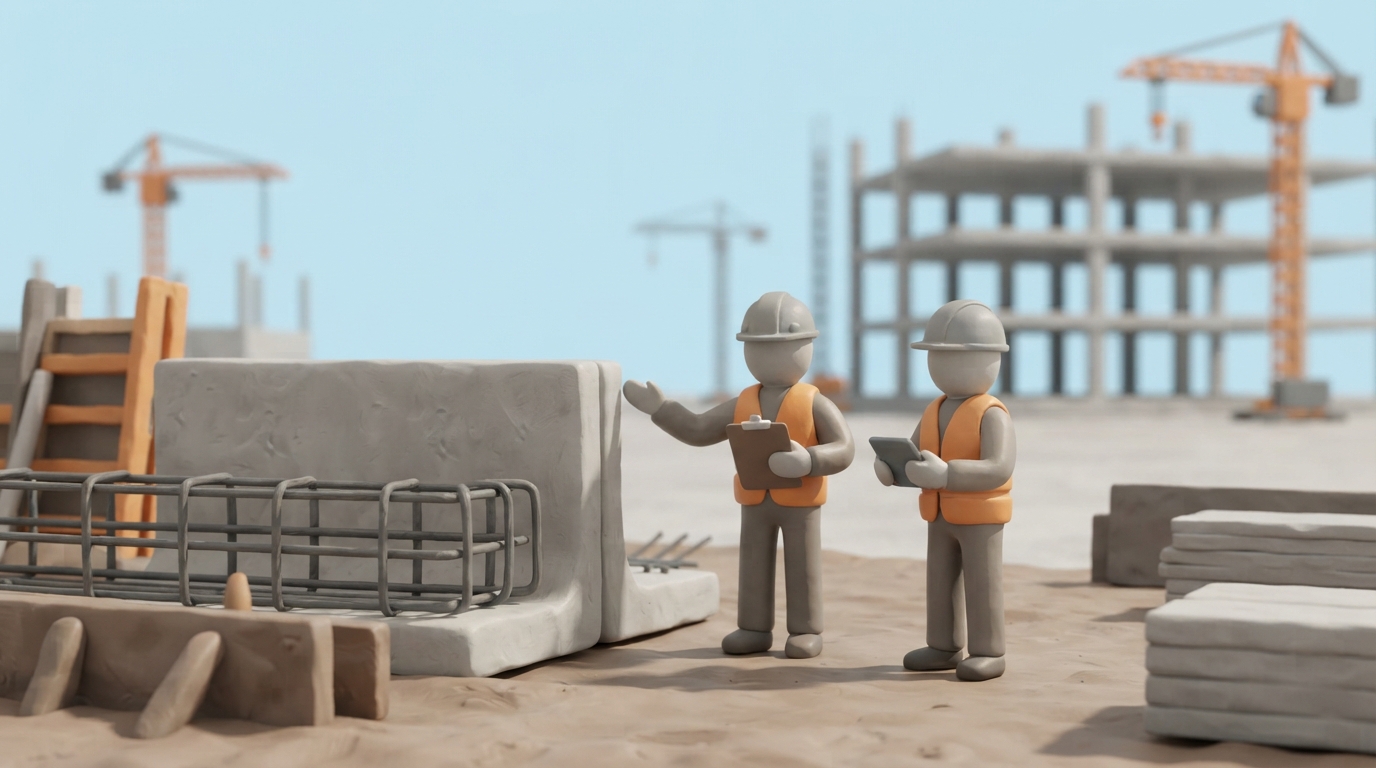
AEC industry analysis indicates that while construction has access to novel technologies, turning inventions into standard industry practice faces structural resistance. Drawing on MIT Professor Eugene Fitzgerald's innovation concepts, the analysis notes that long-term innovation requires addressing technical capability, practical site implementation, and market willingness to pay simultaneously. Robotic data capture is highlighted as an example where technology has advanced, but daily site logistics, maintenance, insurance, and clear procurement value remain unresolved barriers. Additionally, the fragmented, project-based nature of construction demands cross-industry collective action and recurring team deployment across multiple projects to allow new processes to mature.
Key takeaways
- Moving from invention to innovation requires balancing technological feasibility with practical jobsite integration and viable commercial demand.
- Autonomous site robotics illustrate that technical capability alone does not guarantee adoption without clear operational routines, maintenance models, or proven returns.
- Decentralized collaboration, such as Finland's Building 2030 consortium, shows that industry-wide consortia can turn contested ideas like takt production into standard practice.
- Sustained innovation requires team repetition across multiple projects to refine workflows and incentivize supplier investment.
Source:AEC Business Read the original ↗
Prepared, checked and automatically published by AI; not individually reviewed by a human.