Anthropic Report: Robots Can Do 34% of US Work Hours, but Only 0.3% Is Cost-Effective
Frontier AI models · AI assistants · Enterprise AI
An Anthropic study finds autonomous robots can technically perform 74% of US physical tasks (34% of total work hours). However, factoring in annualized costs such as equipment, maintenance, and supervision, only 0.3% of tasks are cheaper than hiring humans.
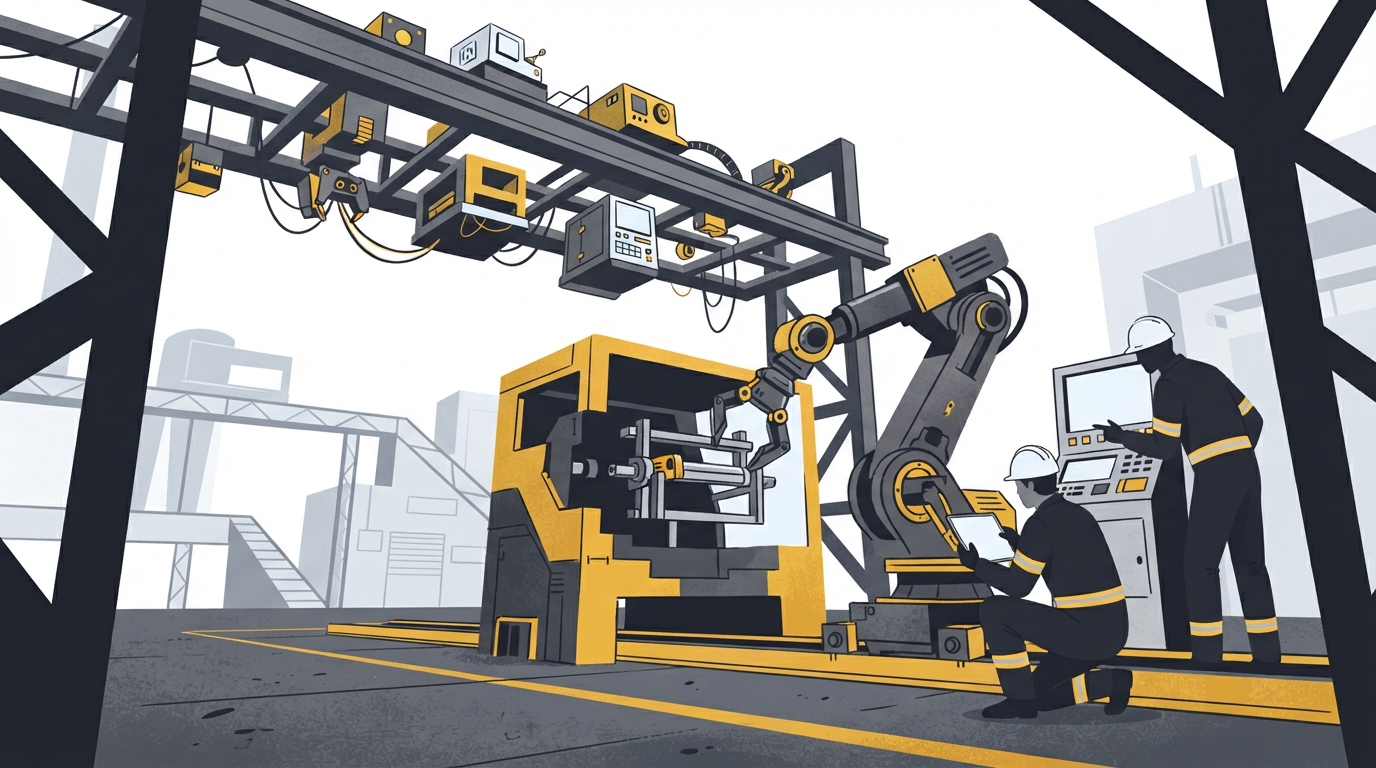
AI research organization Anthropic published the report "What work can robots do?", authored by researchers Russell Legate-Yang and Maxim Massenkoff. The study develops a historically backtested robot work exposure index, utilizing the US Department of Labor's O*NET database and the Claude model to evaluate autonomous robot capabilities against economic deployment costs. Findings indicate that while robotics can technically perform 74% of US physical tasks—accounting for 34% of total working hours—tasks where annualized deployment costs fall below human wages currently represent only 0.3%. The report highlights steep hardware costs, hand dexterity limitations, human preferences, and regulatory standards as the primary constraints preventing widespread physical automation in the near term.
Key takeaways
- Defining robots as autonomous machines capable of perception and action, the study finds current technology covers 74% of US physical tasks, or 34% of total work hours.
- High hardware and maintenance costs mean only 0.3% of tasks currently have cost competitiveness, with industrial robot prices historically declining by only about 3% annually.
- Combining LLM cognitive abilities with physical robotics pushes potential automation impact to 81% of US work hours, with transportation and warehousing facing the highest exposure.
- Beyond cost, physical automation faces three non-cost barriers: hand dexterity limits (affecting 70% of physical tasks), human trust preferences (25%), and safety regulations (14%).
Source:科技報橘 Read the original ↗
Prepared, checked and automatically published by AI; not individually reviewed by a human. Translation checked by AI.