MOENV Tests 32 Taiwan Kindergartens: 5 Show High Fungal Levels Linked to Water Stagnation
Smart operations · AEC industry
Taiwan's Ministry of Environment examined indoor air quality at 32 kindergartens, finding PM2.5 and carbon dioxide levels compliant, but five facilities showed elevated fungal concentrations likely caused by water accumulation. Public health experts noted mold exposure risks causing allergies in children and emphasized moisture control or material replacement if caused by aging building materials. The ministry also expanded industrial air monitoring near schools.
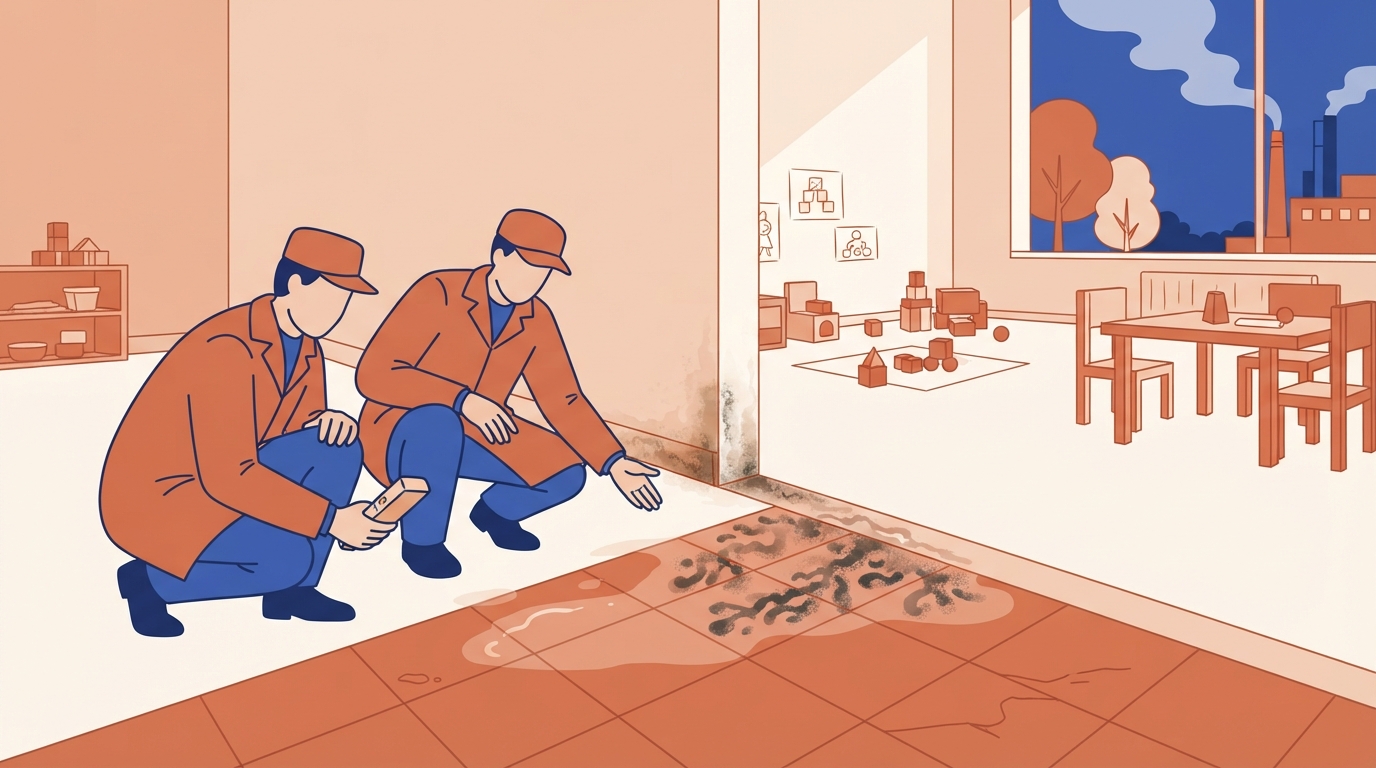
The Ministry of Environment conducted indoor air quality inspections across 32 kindergartens in Taiwan. While PM2.5 and carbon dioxide concentrations complied with standards, five facilities exhibited high fungal levels. Public health specialists noted that mold exposure risks inducing childhood allergies and potential hypersensitivity pneumonitis. The elevated fungal levels are assessed to stem from water stagnation, as mold growth is strongly correlated with humidity; addressing it requires moisture management, or structural repairs and material replacement if caused by deteriorated building materials. Additionally, campus air protection initiatives launched in 2025 monitored 28 industrial zones near schools, cutting volatile organic compounds by 400 tons annually, with plans to expand inspections to 66 locations in 2026.
Key takeaways
- The Ministry of Environment tested indoor air at 32 kindergartens; PM2.5 and carbon dioxide met standards, but 5 had elevated fungal levels.
- Experts noted mold exposure risks triggering allergies; issues were attributed to water stagnation, requiring moisture control or material repair if due to aging components.
- Industrial air monitoring near schools reduced VOC emissions by 400 tons annually since 2025, with plans to expand to 66 sites in 2026.
Source:公視|新聞 Read the original ↗
Prepared, checked and automatically published by AI; not individually reviewed by a human. Translation checked by AI.