Meta Partners with Fourier to Build Max Humanoid Robot Prototype Amid US Policy Challenges
Frontier AI models
Reports indicate Meta collaborated with China's Fourier Intelligence to develop the Max humanoid robot prototype in three months, kicking off Max 2 development in September 2026. Designed for home interaction, this cross-border hardware project faces regulatory hurdles as the US FCC tightens restrictions and considers limiting import exemptions for foreign-made advanced robots.
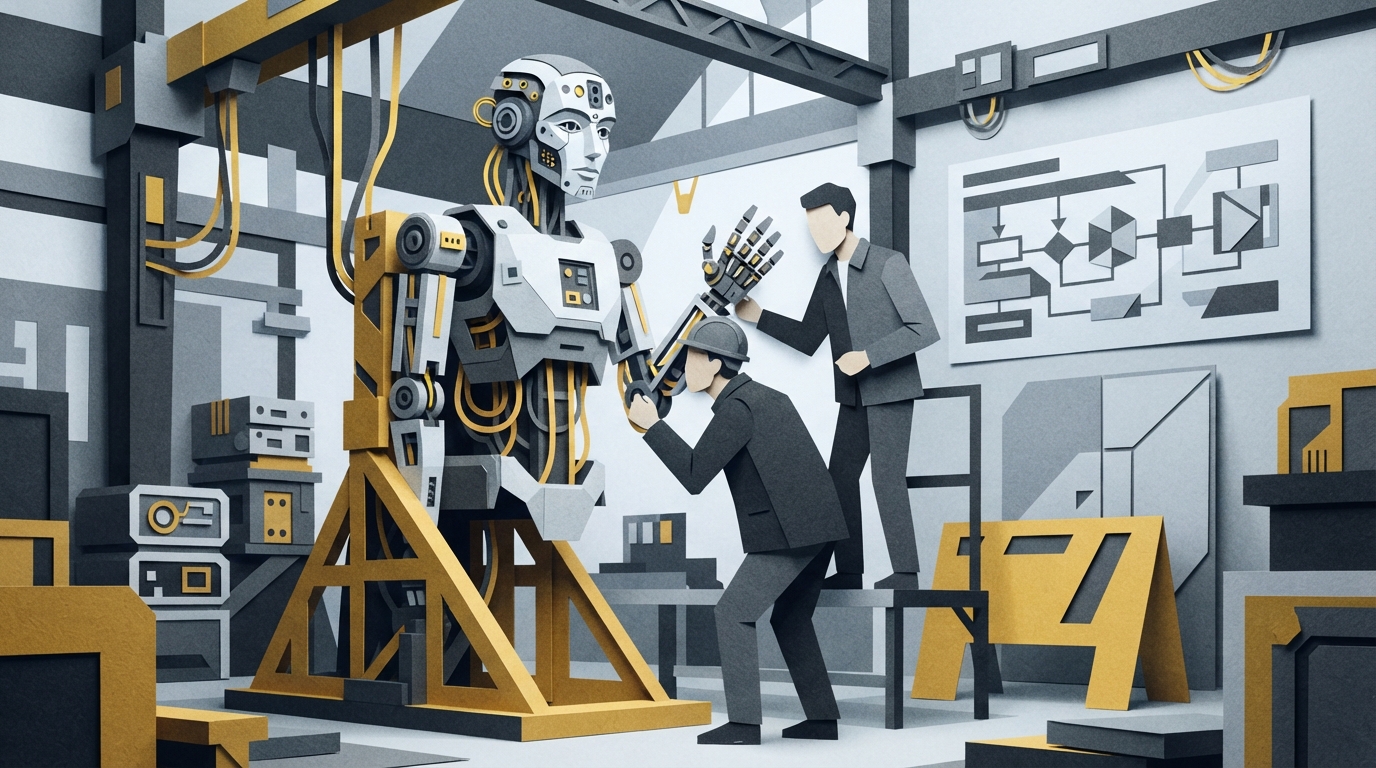
According to media reports, Meta has accelerated its humanoid robotics research by partnering with Chinese robotics firm Fourier Intelligence, completing a prototype named Max in roughly three months and moving forward with Max 2. The prototype stands approximately 1.5 meters tall, weighs around 48 kilograms, features an NVIDIA Jetson Thor chip with independent motion-control software, and is equipped for facial expressions and object manipulation suited for home interaction scenarios like voice and gesture recognition. Meta's team participated in development at Fourier's Shanghai facility to adjust hardware proportions, head design, and hands. However, with the US FCC placing certain foreign-made advanced robotics on its Covered List in 2026 and proposing reductions in import exemptions for non-sales research devices, Meta's cross-border hardware collaboration faces potential regulatory and supply-chain headwinds for testing and prototyping.
Key takeaways
- Meta collaborated with Fourier Intelligence to build the Max humanoid robot prototype in about three months, utilizing NVIDIA Jetson Thor chips for home interaction tasks.
- The teams began developing Max 2 in September 2026, aiming to redesign the torso, enhance hand manipulation, and add projection and stair-climbing sensors.
- US FCC restrictions adding certain foreign-made robots to the Covered List and proposing stricter import exemption limits pose challenges for testing foreign prototypes.
- Meta stated the collaboration is strictly for internal research and experimentation without sales plans, though regulatory compliance across global supply chains remains critical.
Source:科技報橘 Read the original ↗
Prepared, checked and automatically published by AI; not individually reviewed by a human. Translation checked by AI.